
Aircon Mould and Bacteria — Health Risks You Should Know
Black mould, Legionella-family bacteria, respiratory and allergy risks from neglected aircons. Why anti-bacterial spray alone isn't enough.
Updated:
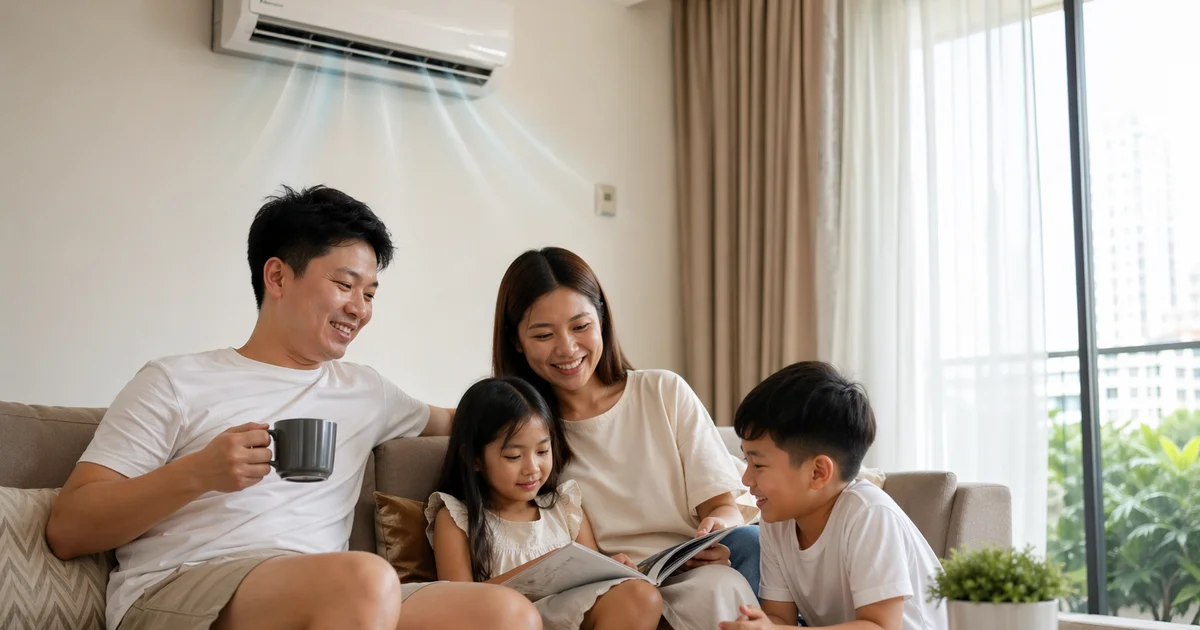
You already know that keeping your home cool in Singapore is a daily necessity. Our team at Aircon Chemical Wash SG, a dedicated division of the 26-person strong Billy Aircon, has seen how quickly neglected units become a serious aircon mould bacteria health risk.
A seemingly clean room often hides these unseen dangers right inside the blower.
We frequently find that this hidden contamination triggers unexplainable sneezes and a sudden aircon allergy in families. The following guide will break down exactly what lives in your system and the practical steps to resolve aircon mould singapore issues effectively.
What Lives in a Neglected Aircon
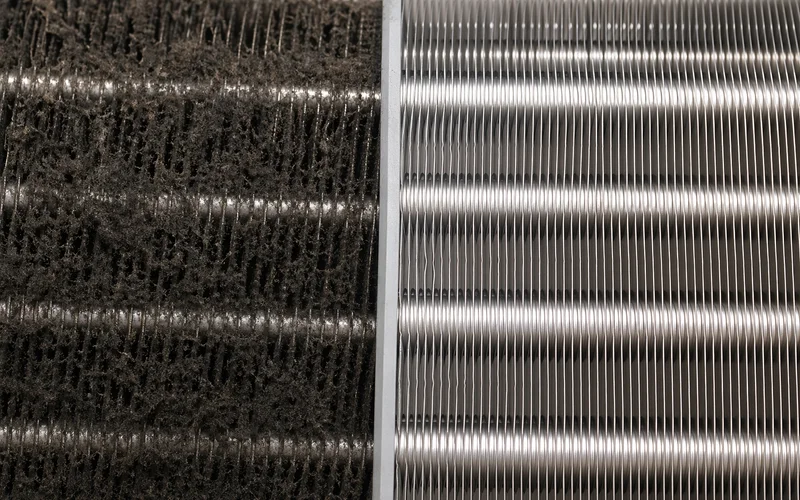
A neglected system harbors a dangerous mix of black mould, pink slime bacteria, and yeast colonies that thrive in dark, humid environments. We routinely discover these biological hazards inside fan coil units that have skipped a chemical wash for over six months.
Stachybotrys chartarum, widely known as toxic black mould, produces potent mycotoxins that circulate throughout your bedroom. Our technicians also frequently spot Aspergillus, a fungus known to release harmful aflatoxins into your indoor air.
These dangerous pathogens found on coil surfaces and in drain pans include the following:
- Black mould (Cladosporium, Aspergillus, Stachybotrys chartarum) which produces spores that aerosolise through the air outlet.
- Pink slime bacteria (Serratia marcescens) which is common in drain pans and sometimes highly visible.
- Legionella-family bacteria which presents a risk in stagnant condensate water, particularly in commercial cassette systems.
- Yeast colonies (Rhodotorula) which appear as a yellow-orange slime on heavily neglected coils.
We see this constant aerosolisation as a major aircon mould bacteria health risk for asthma sufferers, allergy-prone individuals, and infants. Every time the machine runs, the airflow picks up spores and microbes from these colonies and distributes them through the room. Heavily mouldy units almost always require a Full-Dismantle Chemical Overhaul rather than a surface wipe.
Symptoms Linked to Aircon Air Quality
Common symptoms linked to poor indoor air quality include persistent morning coughs, asthma flares, skin irritation, and worsening allergies. Our team hears these exact complaints repeatedly from customers booking their first chemical wash after a long gap.
Data from a 2025 study highlights that Singapore faces a high burden of acute asthma care, with an estimated hospitalization rate of 80 per 100,000 residents. We know that heavily contaminated air conditioning units serve as a primary trigger for these severe respiratory events.
The most frequent warning signs reported by families include:
- Persistent morning cough or sneezing that improves when away from home.
- Asthma flares in sleepers under the aircon, a serious issue given 1 in 5 Singaporean children has asthma.
- Skin irritation in young children sleeping in cooled bedrooms.
- Worsening allergies that do not respond well to standard antihistamines.
- Throat irritation or a “musty” taste lingering in the back of the mouth.
We often open a problematic unit to find visible black mould or a thick biofilm, making the connection incredibly clear. These symptoms are not always caused entirely by your cooling system alone.
Our standard chemical wash completely removes the structural environment that protects these microbes. Post-chemical-wash improvement is frequently noticed by homeowners within just a single week.
Why Anti-Bacterial Spray Alone Isn’t Enough
Anti-bacterial spray alone fails because it only kills surface microbes and cannot penetrate the protective biofilm matrix where colonies actually live. We constantly remind homeowners that surviving microbes will simply regrow within days if the underlying structure remains intact.
A recent 2025 Dyson study ranked Singapore fourth globally for having poorer indoor air quality compared to outdoor air, emphasizing the need for deep cleaning. Our chemical wash works precisely because it completely dissolves the sticky biofilm itself.
Removing the structural environment that protects the microbes is the only way to achieve a genuine reset. We then apply an anti-bacterial finishing spray to the freshly cleaned surfaces. This final step actually kills the residual organisms because no biofilm is left to shield them.
| Cleaning Method | How It Works | Effectiveness |
|---|---|---|
| DIY Anti-Bacterial Spray | Mists the outer surface of coils and vents | Very Low (Microbes regrow in days) |
| Standard Servicing | Washes away loose dirt and dust | Moderate (Does not remove biofilm) |
| Chemical Wash | Dissolves the biological matrix | High (Removes root cause) |
We always include both a deep flush and a finishing spray in our process for this exact reason. Relying on a basic spray alone is mostly theatre, while spraying after a proper chemical flush delivers real results.
Singapore-Specific Risk Factors
Singapore’s unique combination of 70 to 90 percent average outdoor humidity and heavy cooling usage amplifies aircon health risks significantly. We see these extreme conditions create the perfect breeding ground for constant biofilm growth.
Studies indicate that up to 60 percent of mould issues in local homes originate directly from condensation in aircon trunking. Our specialists notice this issue compounded by the fact that 24/7 bedroom cooling is incredibly common across the island.
Several specific factors make the local environment particularly challenging:
- High humidity load in coastal estates like Punggol Waterway and Woodlands.
- Dense multi-unit housing in HDBs and condos where several units are potentially affected simultaneously.
- Older HDB stock in areas like Toa Payoh, Bedok, and Ang Mo Kio with many years of accumulated build-up.
- Poor ventilation which the National Environment Agency (NEA) notes can increase the risk of airborne infectious diseases under the SS 554 guidelines.
We strongly advocate for proactive maintenance here, as the health case is much stronger than in any temperate climate. Families with infants, asthma sufferers, or elderly residents face the highest level of exposure to these environmental threats.
What We Recommend for Health-Sensitive Households
Health-sensitive households should schedule a non-dismantle chemical wash every two to three months and a full-dismantle overhaul annually. We developed this specific timeline to keep biological growth from reaching dangerous levels.
The hospital-grade alkaline detergent used during these sessions effectively removes up to 99.9 percent of harmful bacteria. Our team relies on this exact chemical class because it has been fully validated for use around vulnerable populations in healthcare environments.
To maintain optimal air quality, follow this core schedule:
- Non-Dismantle Chemical Wash every 2 to 3 months instead of the standard 3 to 4 months.
- One Full-Dismantle Overhaul per year to serve as a complete system reset.
- Filter cleaning monthly between professional visits, which is completely safe to do yourself.
- Bedroom unit prioritized first if your current budget requires staging the maintenance.
We always advise starting with the rooms where your family spends the most time sleeping. A clean system uses less energy to cool your space, resulting in both health benefits and a noticeable drop in your electricity bill.
Booking for Family Households
Booking a targeted cleaning session for your family is as simple as sending a quick message detailing your specific health concerns. We will gladly line up a slot at a time when your children are out of the room, typically during the morning or post-school hours.
The anti-bacterial spray applied during the service dries fully within 30 minutes, leaving absolutely no residual vapours in nurseries or living areas. Our technicians work quickly to ensure your home is safe and comfortable before the family returns.
For the deeper reset, the Full-Dismantle Chemical Overhaul is the correct service to choose. We recommend this comprehensive option to completely eliminate any hidden mould reservoirs deep inside the machinery. Send a WhatsApp message to our team today to schedule your next appointment and secure your home against the aircon mould bacteria health risk.
Frequently Asked Questions
Can aircon mould cause asthma flares? expand_more
Is a regular wipe-down enough for baby rooms? expand_more
How often should allergy-prone households chemical wash? expand_more
Related Guides
Can Aircon Chemical Wash Really Lower Your Electricity Bill?
Dirty coils force compressors to overwork. Realistic monthly savings from a chemical wash, the mechanism explained, and what NEA tells us.
Aircon Chemical Wash vs Steam Cleaning — Pros and Cons
What each method reaches, what it can't, the eco trade-offs, and when chemical wash is the only option that works.
Chemical Wash vs Chemical Overhaul — Which Do You Need?
Non-Dismantle (S$80–S$100) vs Full-Dismantle (S$130–S$180). A symptom-based decision table, price framing, and when to upgrade.
DIY vs Professional Aircon Chemical Wash — What Goes Wrong
Coil corrosion, warranty voiding, drain clogs, electrical risks. Five things that go wrong when DIY aircon chemical wash is attempted at home.

Ready to book a chemical wash?
WhatsApp us for a same-day chemical wash quote, or call our team directly.